Best CDN providers (2026): 7 tools compared
A CDN caches your site and assets close to visitors, cutting load times and absorbing traffic spikes and attacks. Providers now compete on security, edge computing, and pricing models as much as raw speed. Some are tied to a single cloud, while others work in front of any origin. We compared seven CDNs, including one that has left the market.
Head-to-head picks
Affiliate links may fund free Lagnis Tools; picks require a public partner program.
Seven vendors below with disclosed affiliate or partner programs. Each block: fit, strengths, blocker, pricing.
We compared network reach, cache control and purge speed, security features, edge computing, ease of setup, and pricing per GB and per request. We also considered how each fits with existing hosting and cloud providers.
Cloudflare · CDN providers
Ideal use: Websites and applications of every size that want a CDN with DDoS protection, WAF, and edge computing, starting on a free plan.
What works: Cloudflare's free plan includes global CDN caching, unmetered DDoS protection, and SSL, which no other major CDN offers. Workers, R2, and Pages let you run code and store assets at the edge.
What breaks the deal: Advanced WAF rules, image optimization, and enterprise support sit on higher plans, and support on free and Pro plans is limited.
Pricing: Entry: $0/mo. Hidden cost: Free CDN/DNS; Pro $25/mo; Workers and R2 usage billed. Verify: cloudflare.com/plans.
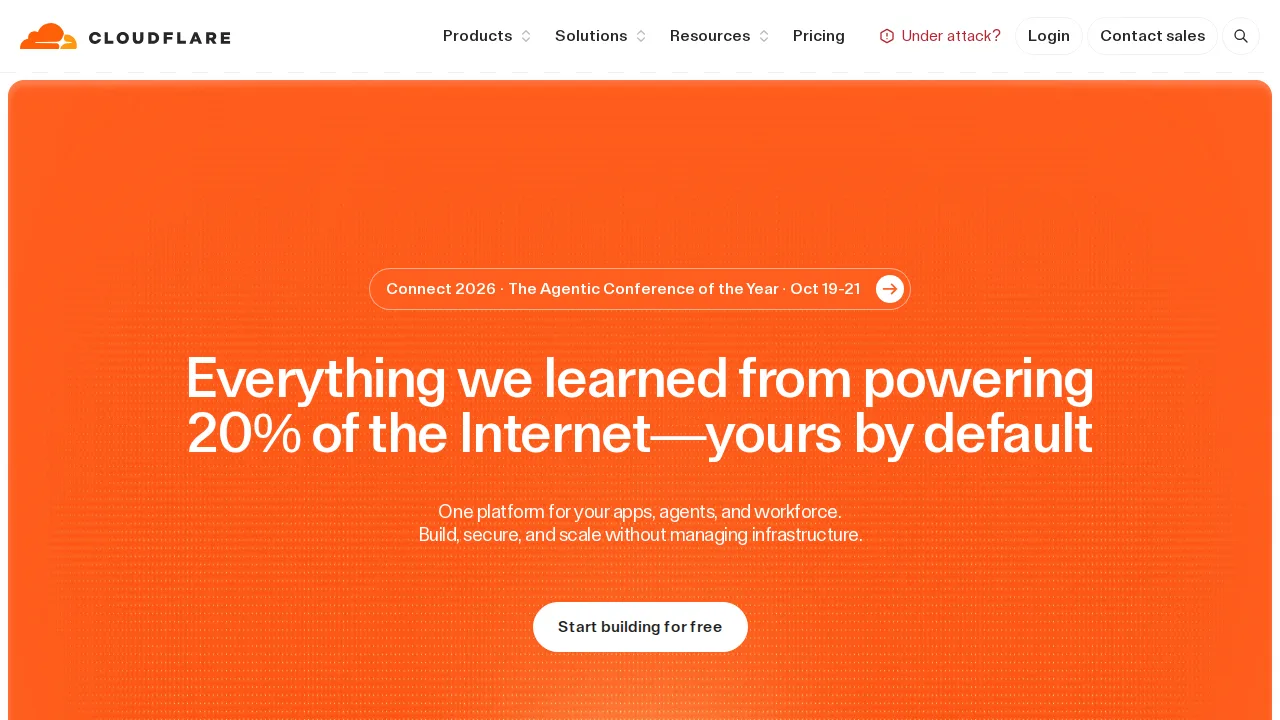
Ops note: Move DNS for a site to Cloudflare, enable caching rules, and compare Time to First Byte from several regions. Deploy one Worker to rewrite a header.
Site: Cloudflare
Fastly · CDN providers
Ideal use: Media, e-commerce, and SaaS engineering teams that need programmable edge caching, instant purges, and real-time logs.
What works: Fastly purges cached content globally in about 150 milliseconds, which suits news and inventory changes. Compute lets developers run WebAssembly at the edge, and real-time log streaming aids debugging.
What breaks the deal: Configuration requires engineering skill, and pricing has minimum commitments beyond the free trial.
Pricing: Entry: $0/mo. Hidden cost: Usage-based CDN; minimum commit on enterprise; $50/mo starter packages. Verify: fastly.com/pricing.
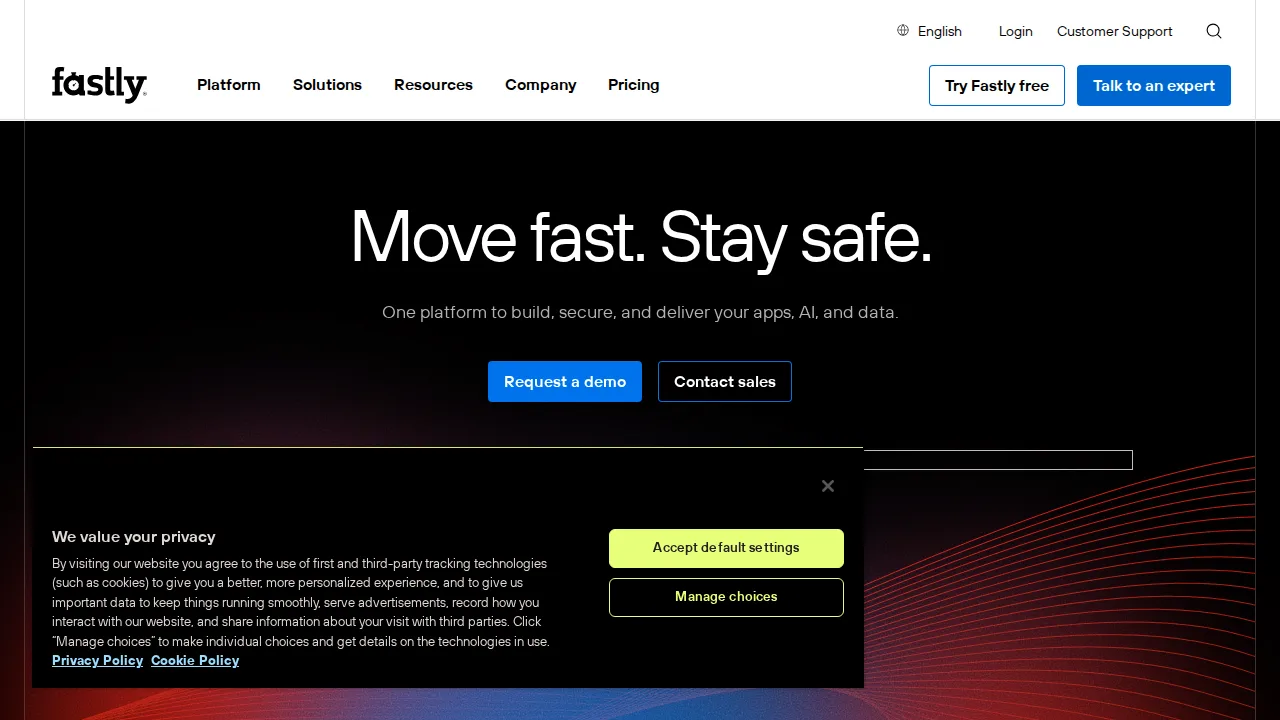
Ops note: Configure a service in front of a staging site, purge a URL, and measure how quickly updates appear globally. Stream logs to your observability tool.
Site: Fastly
Bunny.net · CDN providers
Ideal use: Developers, indie SaaS founders, and video platforms that want fast, low-cost CDN delivery with simple pay-as-you-go pricing.
What works: Bunny.net's per-GB prices are among the lowest, and its Stream video platform and Optimizer image service are simple to set up. Edge storage and DNS are included on the same account.
What breaks the deal: Security features like WAF and DDoS mitigation are less mature than Cloudflare or Fastly.
Pricing: Entry: $9.50/mo. Hidden cost: Starter volume; overage per GB and requests; storage extra. Verify: bunny.net/pricing.

Ops note: Create a pull zone for a static site, enable Optimizer, and compare load times and monthly costs with your current CDN. Upload a video to Stream and test playback.
Site: Bunny.net
KeyCDN · CDN providers
Ideal use: Small businesses and developers who want a simple, pay-as-you-go CDN with no minimum commitment.
What works: KeyCDN charges straightforward per-GB rates with no minimum commitment, and its dashboard shows real-time traffic and cache hit reports. It supports HTTP/2, Brotli compression, and on-the-fly image processing.
What breaks the deal: Its network has fewer points of presence than Cloudflare or CloudFront, so some regions see slower delivery.
Pricing: Entry: $0.04/GB. Hidden cost: Pay-as-you-go; minimum $4/mo usage; regional rates vary. Verify: keycdn.com/pricing.
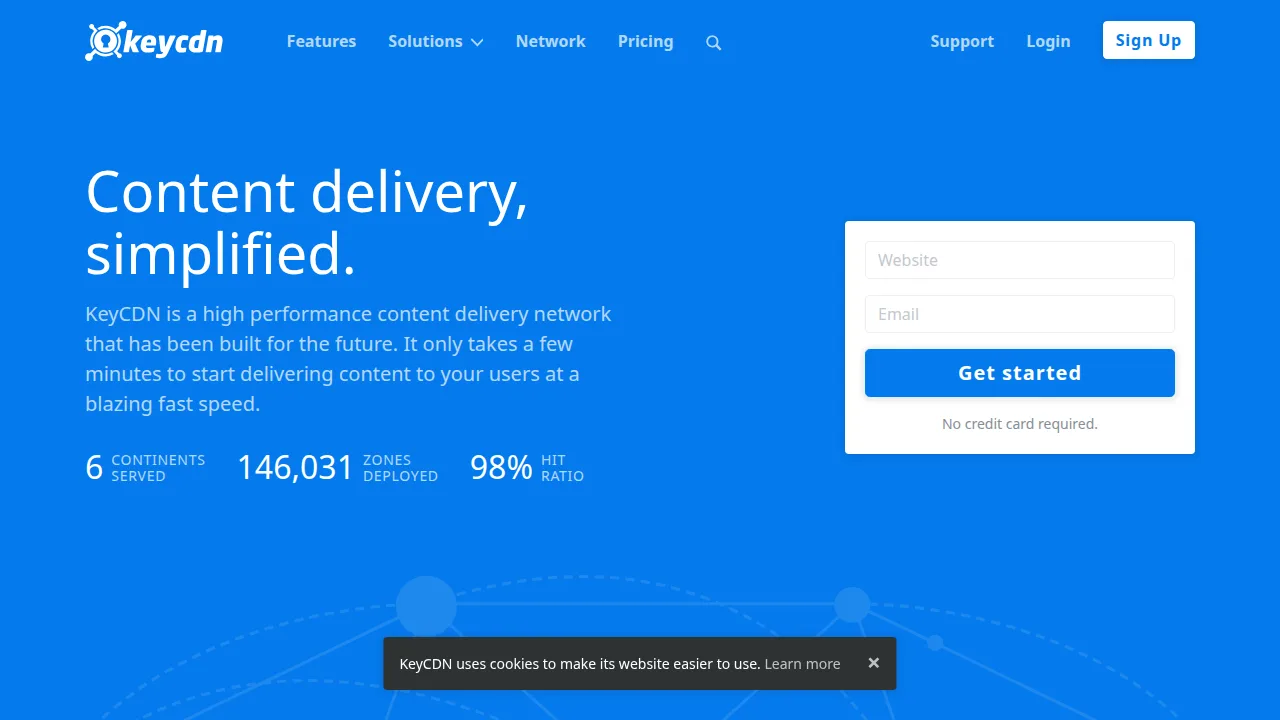
Ops note: Create a pull zone for your site, run speed tests from five regions, and compare them with your current CDN. Estimate the monthly bill at your bandwidth.
Site: KeyCDN
StackPath · CDN providers
Ideal use: Existing StackPath CDN customers who need to plan a migration after StackPath exited the CDN business in 2024.
What works: StackPath offered an affordable CDN with a built-in WAF and edge compute that many small sites used. When it exited the business, CDN customers were transitioned to Akamai.
What breaks the deal: StackPath no longer sells CDN services, so it should not be chosen for new projects.
Pricing: Entry: Quote. Hidden cost: CDN acquired/restructured; edge compute usage-based. Verify: stackpath.com/pricing.

Ops note: If you were a StackPath customer, confirm your Akamai migration status and settings. Benchmark Cloudflare and Bunny.net as alternatives before renewing.
Site: StackPath
Amazon CloudFront · CDN providers
Ideal use: Teams already on AWS that want a CDN integrated with S3, EC2, Lambda@Edge, and AWS security services.
What works: CloudFront integrates tightly with S3, AWS WAF, Shield, and Lambda@Edge, and data transfer from AWS origins to CloudFront is free. A generous free tier covers small sites.
What breaks the deal: Pricing across regions, requests, and add-ons is complex, and configuration has a steep learning curve.
Pricing: Entry: $0.085/GB. Hidden cost: US egress first 10 TB; HTTPS requests per 10k; regional variance. Verify: aws.amazon.com/cloudfront/pricing.
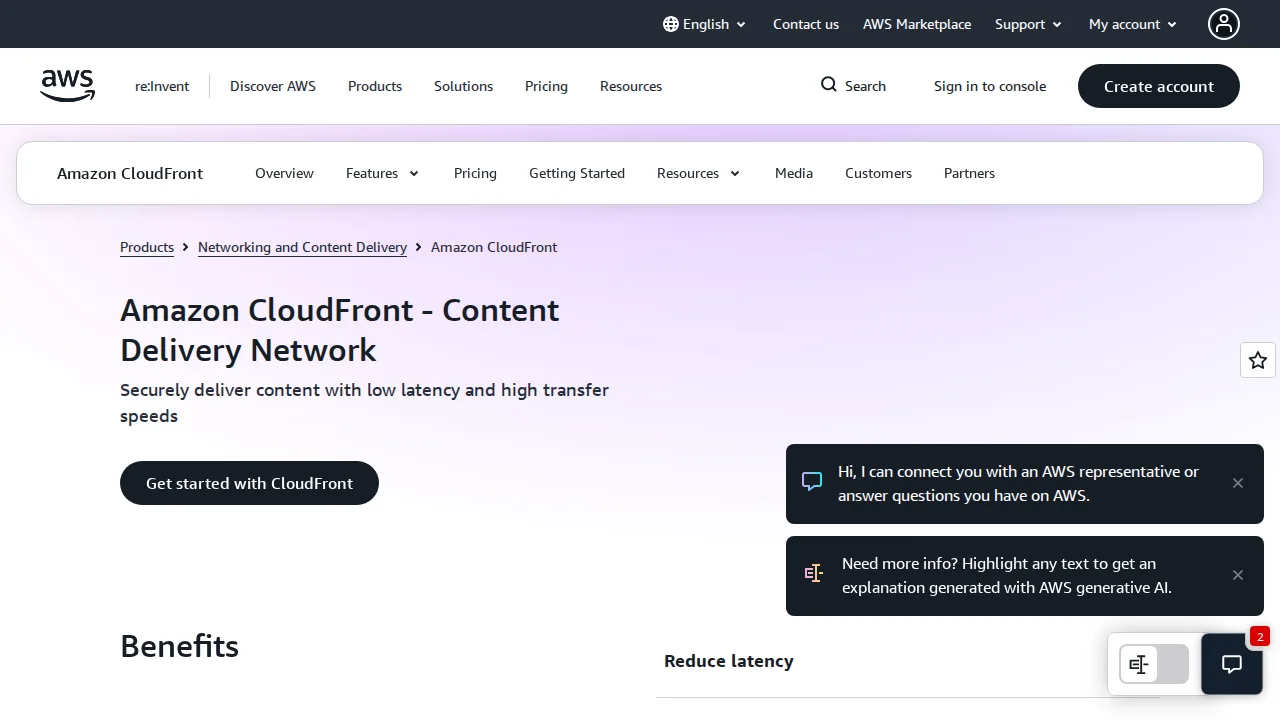
Ops note: Put CloudFront in front of an S3 bucket and set cache behaviors. Estimate costs with the pricing calculator.
Site: Amazon CloudFront
Google Cloud CDN · CDN providers
Ideal use: Teams running on Google Cloud that want a CDN integrated with Cloud Load Balancing and Cloud Armor.
What works: Google Cloud CDN runs on Google's private global network and plugs into Cloud Load Balancing and Cloud Armor for security. Media CDN handles large-scale video delivery for streaming platforms.
What breaks the deal: It only makes sense for applications already hosted on Google Cloud.
Pricing: Entry: $0.08/GB. Hidden cost: Cache egress US; load balancing and Cloud Armor extra. Verify: cloud.google.com/cdn/pricing.
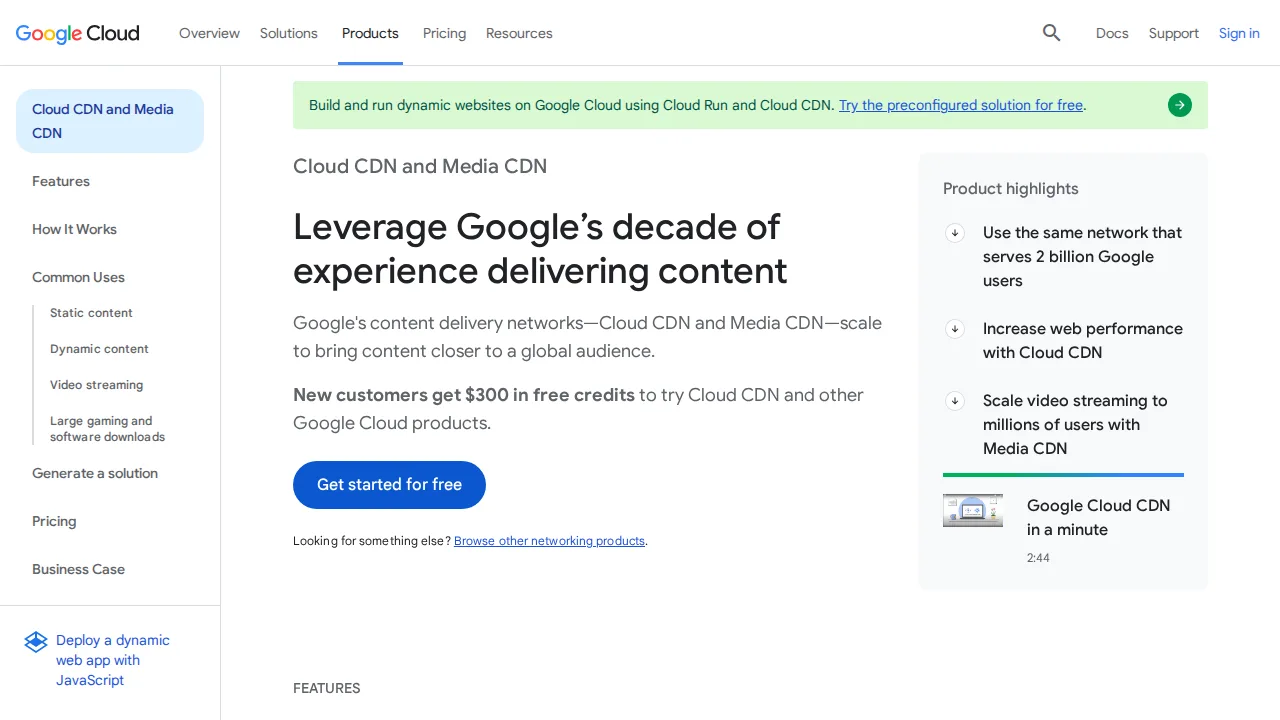
Ops note: Enable Cloud CDN on an existing load balancer and measure cache hit ratio over a week. Add a Cloud Armor rule and test it blocks a sample request.
Site: Google Cloud CDN
Summary table
| Name | Best for | Entry pricing | UX /10 |
|---|---|---|---|
| Cloudflare | Free CDN with DDoS and edge compute | $0/mo | 8.0 |
| Fastly | Programmable edge with instant purges | $0/mo | 7.5 |
| Bunny.net | Low-cost CDN and video streaming | $9.50/mo | 8.9 |
| KeyCDN | Simple pay-as-you-go CDN for small sites | $0.04/GB | 8.0 |
| StackPath | Exited CDN, migrate to alternatives | Quote | 8.3 |
| Amazon CloudFront | CDN for AWS-hosted applications | $0.085/GB | 8.4 |
| Google Cloud CDN | CDN for Google Cloud applications | $0.08/GB | 8.7 |
Quick verdict
Cloudflare is the best choice for most sites, with a free plan that includes CDN caching, DDoS protection, and SSL. Fastly suits engineering teams that need programmable edge logic and near-instant global purges. Developers and video platforms watching costs should look at Bunny.net.
Measure Time to First Byte from several regions before and after enabling a CDN, so you know what you are paying for. Estimate monthly bandwidth and request costs, since per-request fees can matter more than per-GB rates for busy APIs.
Free checks on Lagnis
Before you sign a cdn providers contract, run your numbers with dev git commit frequency. Same browser session, no account.
Related comparisons
- Best Fleet management software (2026): 7 tools compared
- Best Managed database hosting (2026): 7 tools compared
- Best Parental control software (2026): 7 tools compared
FAQ
Why only 7 tools? We cut duplicate workflows; seven profiles stay readable.
Affiliate links fund hosting; listed flaws are from field testing patterns, not sponsor edits.
Pricing figures are list-tier snapshots; confirm checkout totals before you commit to annual billing.