Best Managed database hosting (2026): 7 tools compared
Managed database hosting takes backups, patching, and failover off your team, but providers differ sharply in scaling model, developer workflow, and how costs grow. Serverless Postgres, branching workflows, and built-in vector search have become common selling points. Free tiers have also shrunk or gained pause rules. We compared seven providers for startups and production teams.
Head-to-head picks
Affiliate links may fund free Lagnis Tools; picks require a public partner program.
Seven vendors below with disclosed affiliate or partner programs. Each block: fit, strengths, blocker, pricing.
We compared supported engines, scaling and branching, backup and point-in-time recovery, high availability, developer tools, and pricing from free tier to production. We also considered cold start latency and regional coverage.
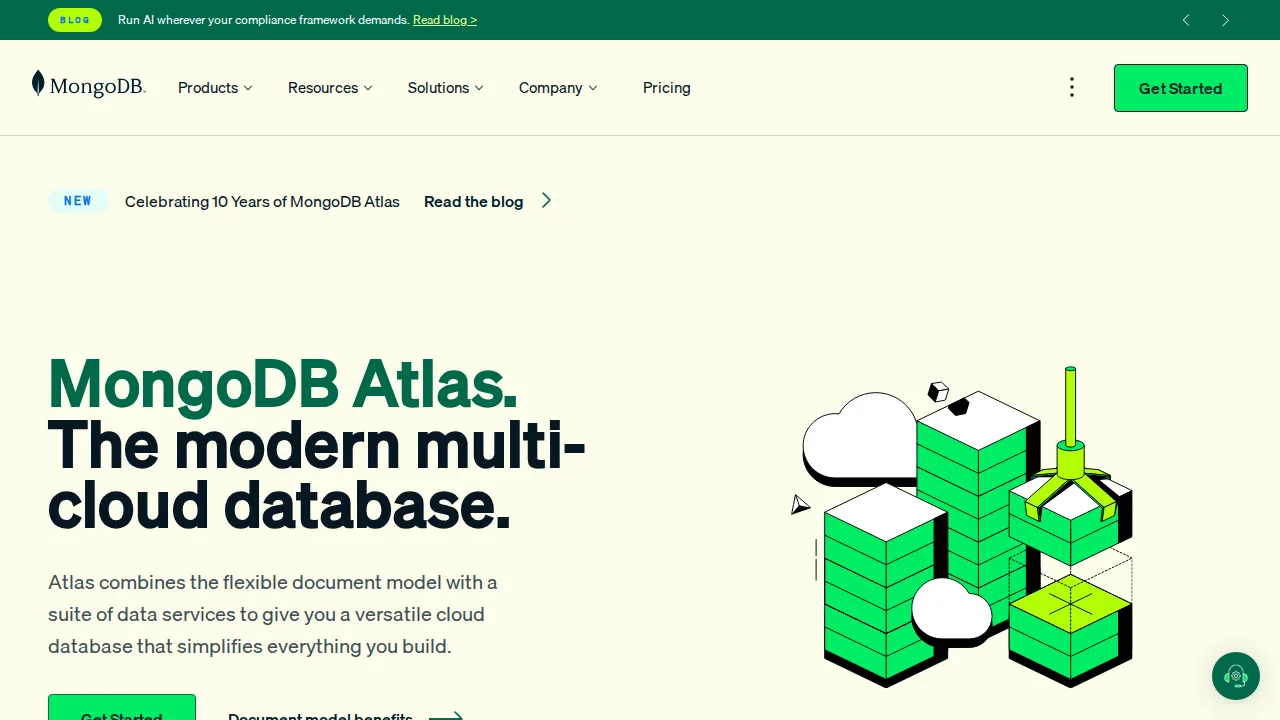
MongoDB Atlas · Managed database hosting
Ideal use: Development teams building apps on MongoDB that want a managed document database on AWS, Azure, or Google Cloud with search and vector search built in.
What works: Atlas handles backups, scaling, and multi-region clusters across all three major clouds, and Atlas Search and Vector Search run on the same data without a separate service. A free shared tier covers prototypes.
What breaks the deal: Costs rise quickly on dedicated clusters, and data transfer and backup charges add to the bill.
Pricing: Entry: $0/mo. Hidden cost: Free M0 cluster; dedicated M10 ~$57/mo; data transfer fees. Verify: mongodb.com/pricing.
Ops note: Load a sample of production data into a dedicated cluster, create a search index and a vector index, and run your top queries. Use the cost explorer to project monthly spend.
Site: MongoDB Atlas
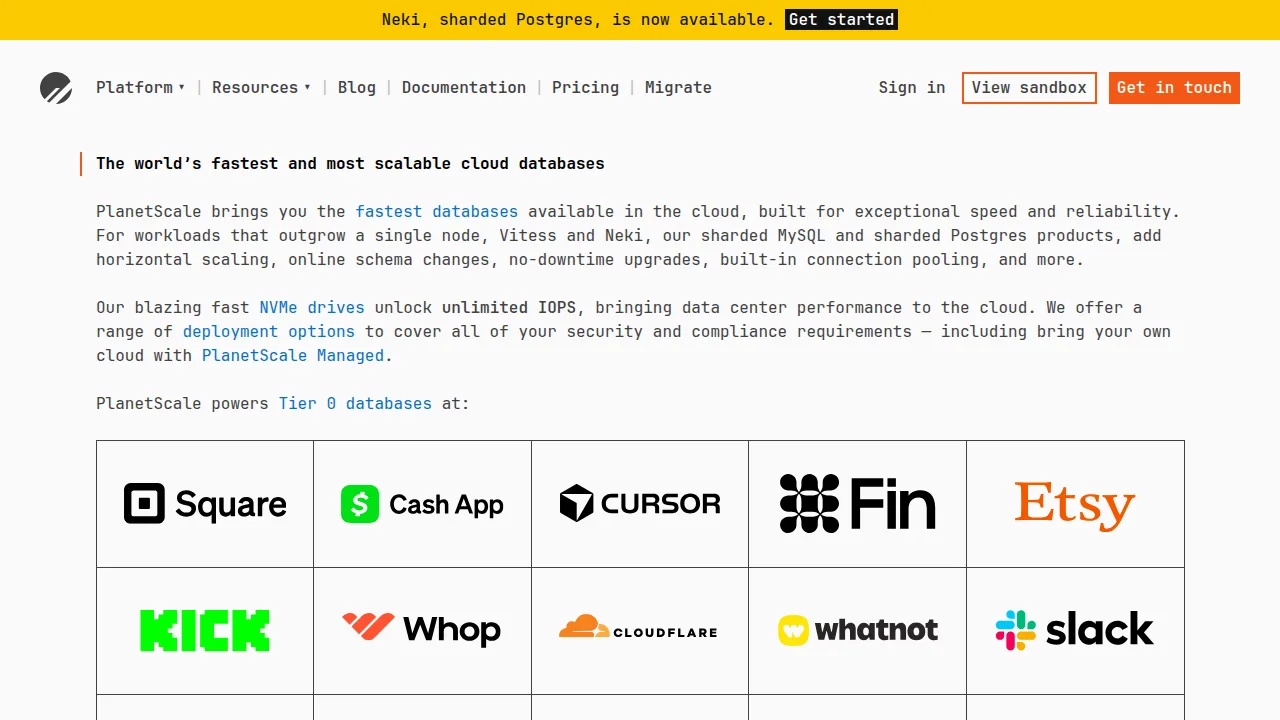
PlanetScale · Managed database hosting
Ideal use: Engineering teams running high-traffic MySQL or Postgres workloads that want non-blocking schema changes and horizontal scaling.
What works: PlanetScale's branching and deploy requests let teams test schema changes and ship them without locking tables. It is built on Vitess, which scales MySQL horizontally, and now also offers managed Postgres on fast NVMe storage.
What breaks the deal: PlanetScale removed its free hobby tier in 2024, so small projects now pay from day one.
Pricing: Entry: $0/mo. Hidden cost: Hobby dev; Scaler $29/mo; egress and rows read billed. Verify: planetscale.com/pricing.
Ops note: Create a development branch, run a schema change, and merge it through a deploy request while running load. Check the price of the smallest production cluster.
Site: PlanetScale
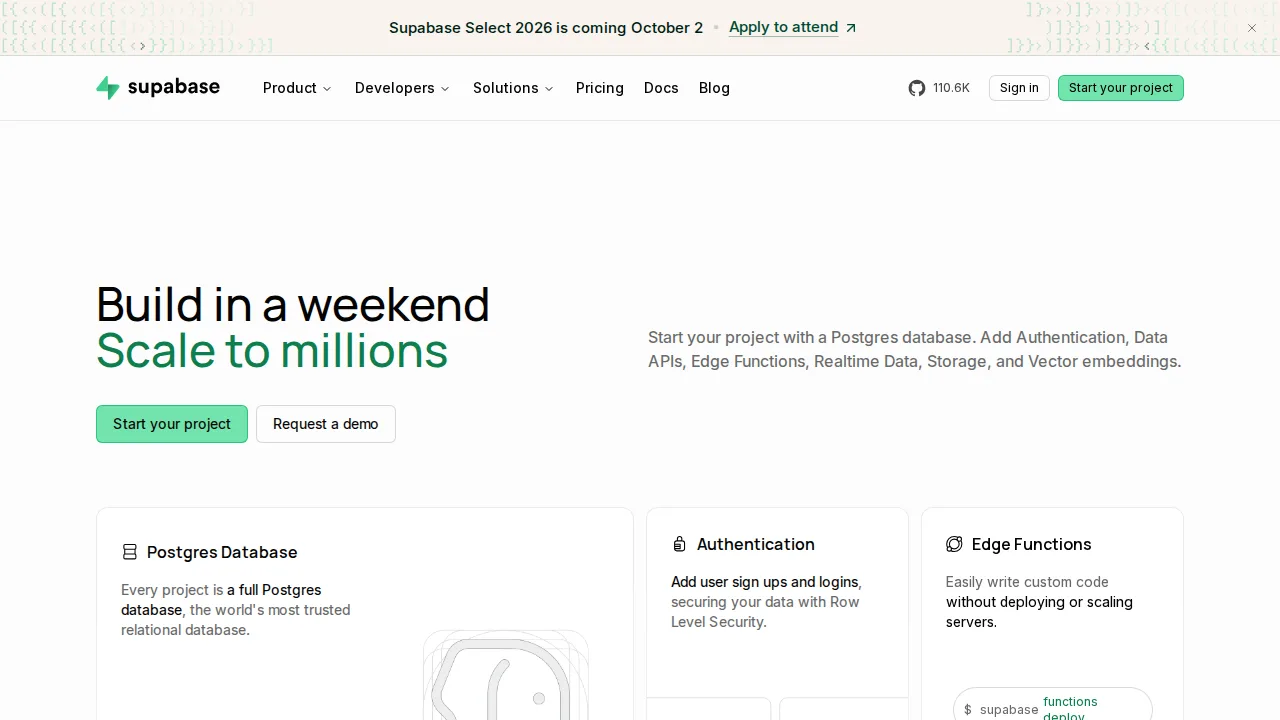
Supabase · Managed database hosting
Ideal use: Startups and full-stack developers who want Postgres with auth, storage, realtime, and edge functions as a Firebase alternative.
What works: Supabase gives each project a full Postgres database with row-level security, auto-generated APIs, authentication, and file storage. pgvector support and a generous free tier make it popular for AI apps.
What breaks the deal: Free projects pause after a week of inactivity, and compute add-ons raise costs on busy apps.
Pricing: Entry: $0/mo. Hidden cost: Free project limits; Pro $25/mo; egress and compute overage. Verify: supabase.com/pricing.
Ops note: Build a small app using auth, row-level security, and storage, then run a load test. Check what compute size your workload needs and its price.
Site: Supabase
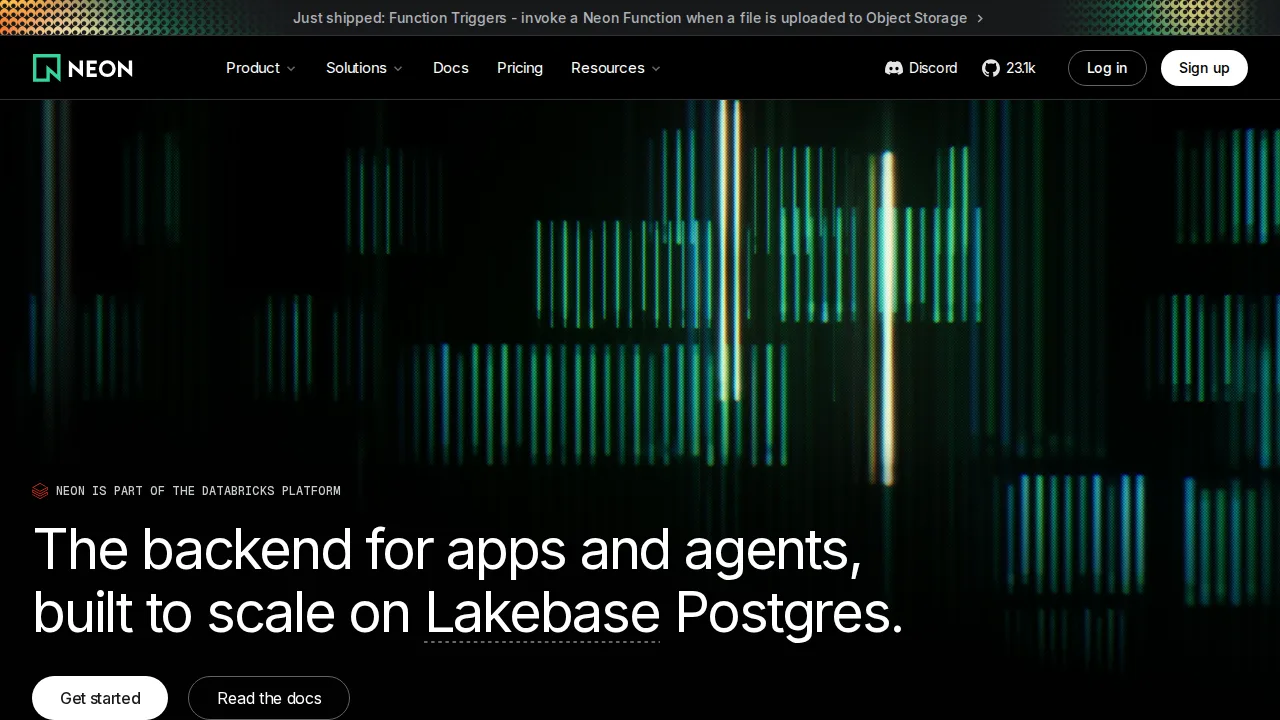
Neon · Managed database hosting
Ideal use: Developers and AI app builders who want serverless Postgres that scales to zero and branches instantly for previews and tests.
What works: Neon separates storage and compute, so databases scale to zero when idle and branches are created in seconds for every pull request. It was acquired by Databricks in 2025.
What breaks the deal: Cold starts after scale-to-zero add latency to the first query, which some production apps cannot accept.
Pricing: Entry: $0/mo. Hidden cost: Free Postgres 0.5 GB; Launch $19/mo compute/storage scale. Verify: neon.tech/pricing.
Ops note: Create a branch per pull request in CI, and measure cold start latency on a scaled-to-zero database.
Site: Neon
Railway · Managed database hosting
Ideal use: Indie developers and small teams who want to deploy apps and databases together with minimal configuration.
What works: Railway deploys Postgres, MySQL, Redis, and MongoDB alongside your app from a template or repo in minutes. Usage-based pricing charges for actual resources.
What breaks the deal: Database features like point-in-time recovery are less mature than dedicated providers.
Pricing: Entry: $5/mo. Hidden cost: Hobby includes usage credit; compute and egress overage. Verify: railway.app/pricing.
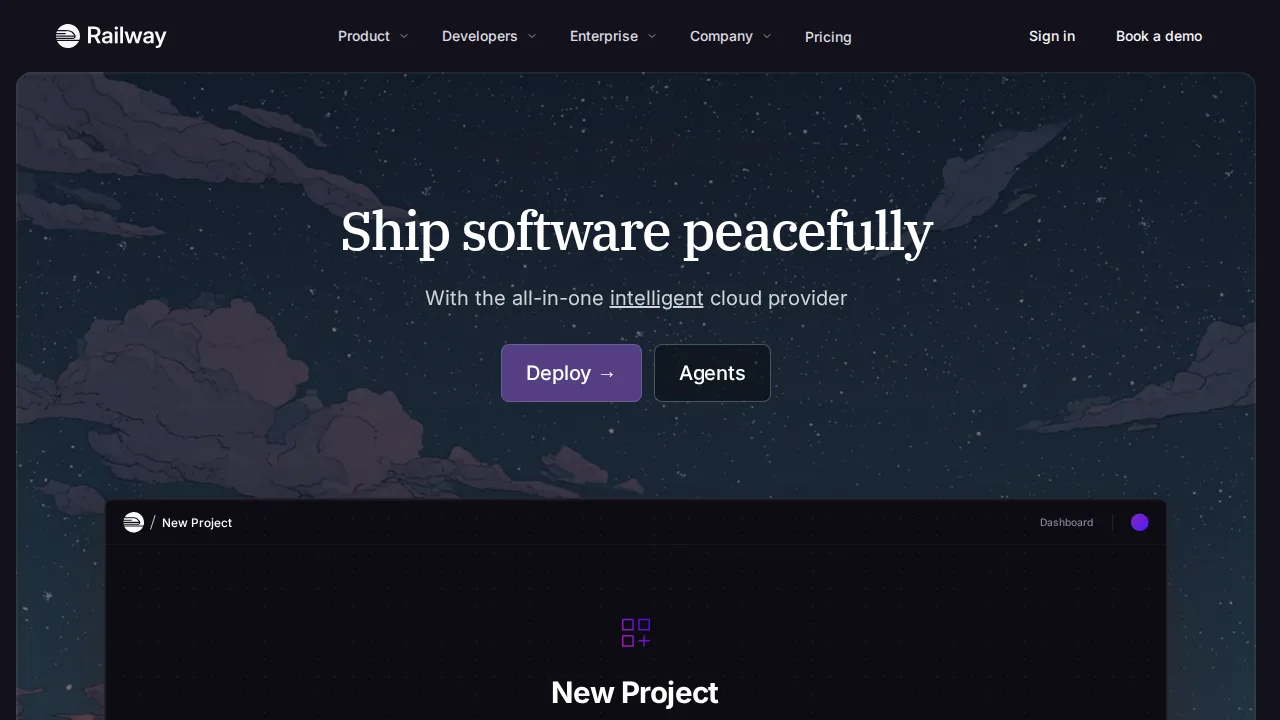
Ops note: Deploy an app with Postgres from a template, check how backups are configured, and watch the usage-based bill for a week. Restore a backup to a new database.
Site: Railway
Render Postgres · Managed database hosting
Ideal use: Teams hosting web services on Render that want managed Postgres in the same platform.
What works: Render Postgres includes daily backups, point-in-time recovery on paid plans, and private networking to Render web services. Read replicas and high availability are available on larger instances.
What breaks the deal: Free databases expire after a set period, so they only suit short tests.
Pricing: Entry: $7/mo. Hidden cost: Starter instance; storage $0.25/GB; autoscaling extra. Verify: render.com/pricing.
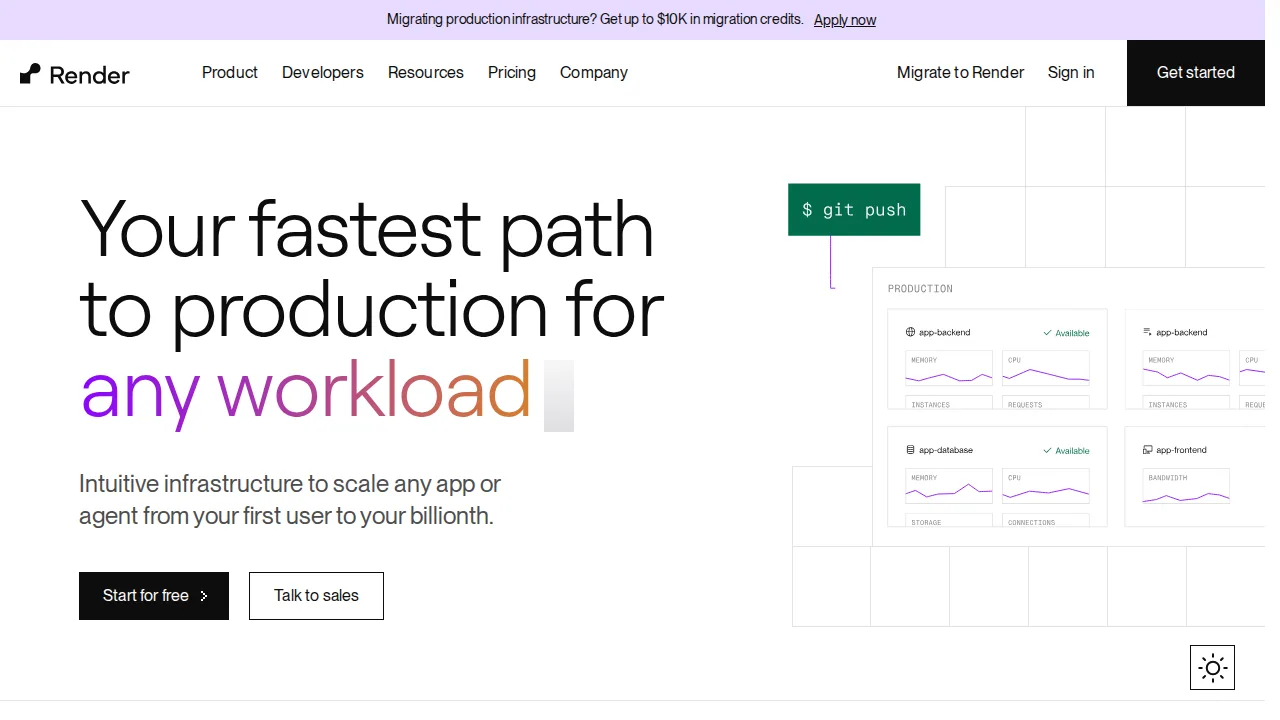
Ops note: Create a paid Postgres instance, connect a Render web service over the private network, and run a point-in-time restore. Check the price of adding high availability.
Site: Render Postgres
DigitalOcean Managed Databases · Managed database hosting
Ideal use: Small and mid-size teams on DigitalOcean that want simple managed Postgres, MySQL, Redis, or MongoDB with predictable pricing.
What works: DigitalOcean Managed Databases have flat, predictable monthly pricing, automatic daily backups, and standby nodes for failover. They support Postgres, MySQL, Redis-compatible caching, MongoDB, and Kafka.
What breaks the deal: Regions, instance sizes, and advanced features are fewer than AWS RDS or Google Cloud SQL.
Pricing: Entry: $15/mo. Hidden cost: Single node Postgres 1 GB; HA and read replicas multiply cost. Verify: digitalocean.com/pricing/managed-databases.
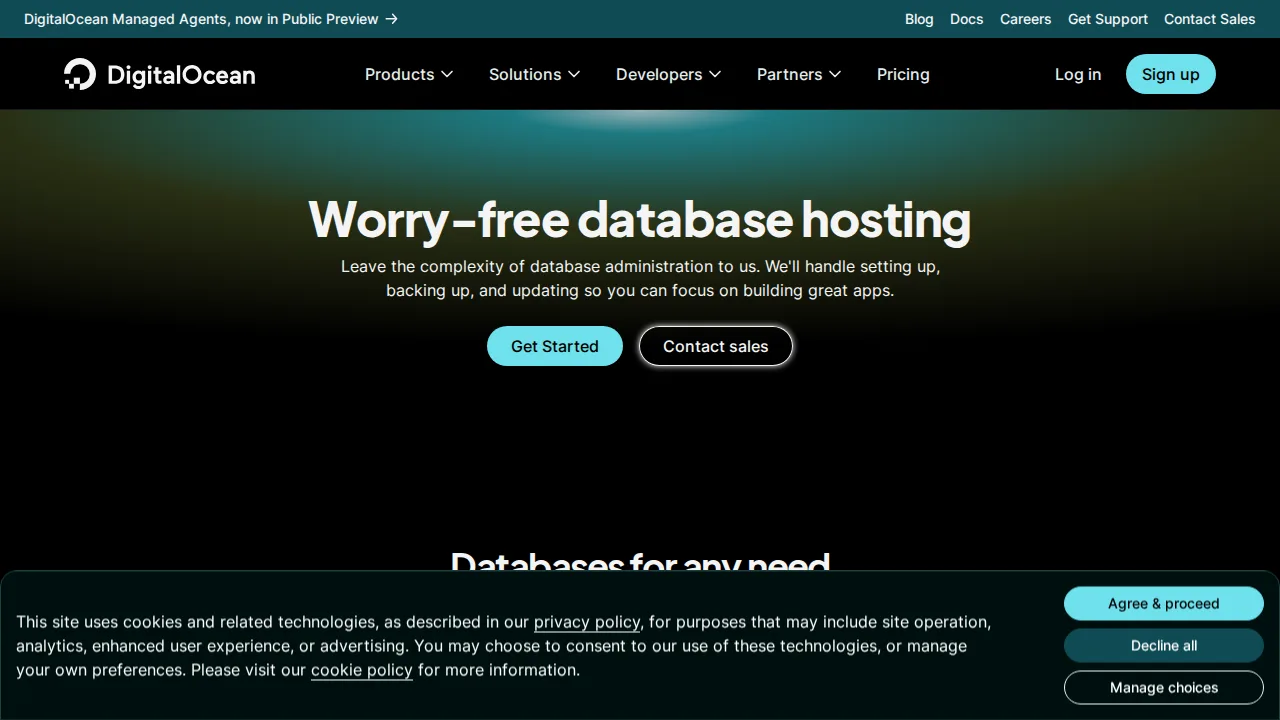
Ops note: Create a Postgres cluster with a standby node, then trigger a failover and time the reconnect. Compare the monthly price with RDS for the same size.
Site: DigitalOcean Managed Databases
Summary table
| Name | Best for | Entry pricing | UX /10 |
|---|---|---|---|
| MongoDB Atlas | Managed MongoDB with built-in vector search | $0/mo | 7.8 |
| PlanetScale | Scalable MySQL and Postgres with branching | $0/mo | 8.1 |
| Supabase | Postgres with auth, storage, and realtime | $0/mo | 6.7 |
| Neon | Serverless Postgres with instant branching | $0/mo | 7.1 |
| Railway | Apps and databases deployed together | $5/mo | 7.3 |
| Render Postgres | Managed Postgres alongside Render apps | $7/mo | 6.7 |
| DigitalOcean Managed Databases | Predictable managed databases on DigitalOcean | $15/mo | 7.4 |
Quick verdict
Supabase is the best choice for startups that want Postgres with auth, storage, and realtime APIs in one project. Neon suits developers who want serverless Postgres with instant branching for previews and tests. Teams building on documents with search and vector needs should use MongoDB Atlas.
Load a realistic sample of production data and run your heaviest queries before choosing an instance size. Test a point-in-time restore during the trial, since that is the feature you will need on your worst day.
Free checks on Lagnis
Before you sign a managed database hosting contract, run your numbers with json formatter. Same browser session, no account.
Related comparisons
- Best Parental control software (2026): 7 tools compared
- Best Workflow automation (Zapier alternatives) (2026): 7 tools compared
- Best PDF software (2026): 7 tools compared
FAQ
Why only 7 tools? We cut duplicate workflows; seven profiles stay readable.
Affiliate links fund hosting; listed flaws are from field testing patterns, not sponsor edits.
Pricing figures are list-tier snapshots; confirm checkout totals before you commit to annual billing.