Best CMS platforms (2026): 7 tools compared
A CMS decides how quickly your team can publish, how developers build the frontend, and how much maintenance the site needs every month. Traditional platforms like WordPress bundle content and presentation, while headless systems deliver content by API to any website or app. Publishers with paid memberships and newsletters have their own specialized options. We compared seven CMS platforms across those models.
Head-to-head picks
Affiliate links may fund free Lagnis Tools; picks require a public partner program.
Seven vendors below with disclosed affiliate or partner programs. Each block: fit, strengths, blocker, pricing.
We compared the editing experience, content modeling, visual preview, developer tools and APIs, localization, hosting and maintenance burden, and pricing as content and seats grow. We also considered the size of each platform's ecosystem of themes, plugins, and developers.
WordPress · CMS platforms
Ideal use: Publishers, businesses, and agencies that want the most widely used open-source CMS with full control over hosting, themes, and plugins.
What works: Self-hosted WordPress runs a large share of the web, so themes, plugins, developers, and hosting options are plentiful. The block editor and full site editing handle most layouts without code.
What breaks the deal: Plugin sprawl creates security and performance risks unless someone owns updates and audits.
Pricing: Entry: $0. Hidden cost: Open source; hosting and premium themes/plugins cost. Verify: wordpress.org/download.
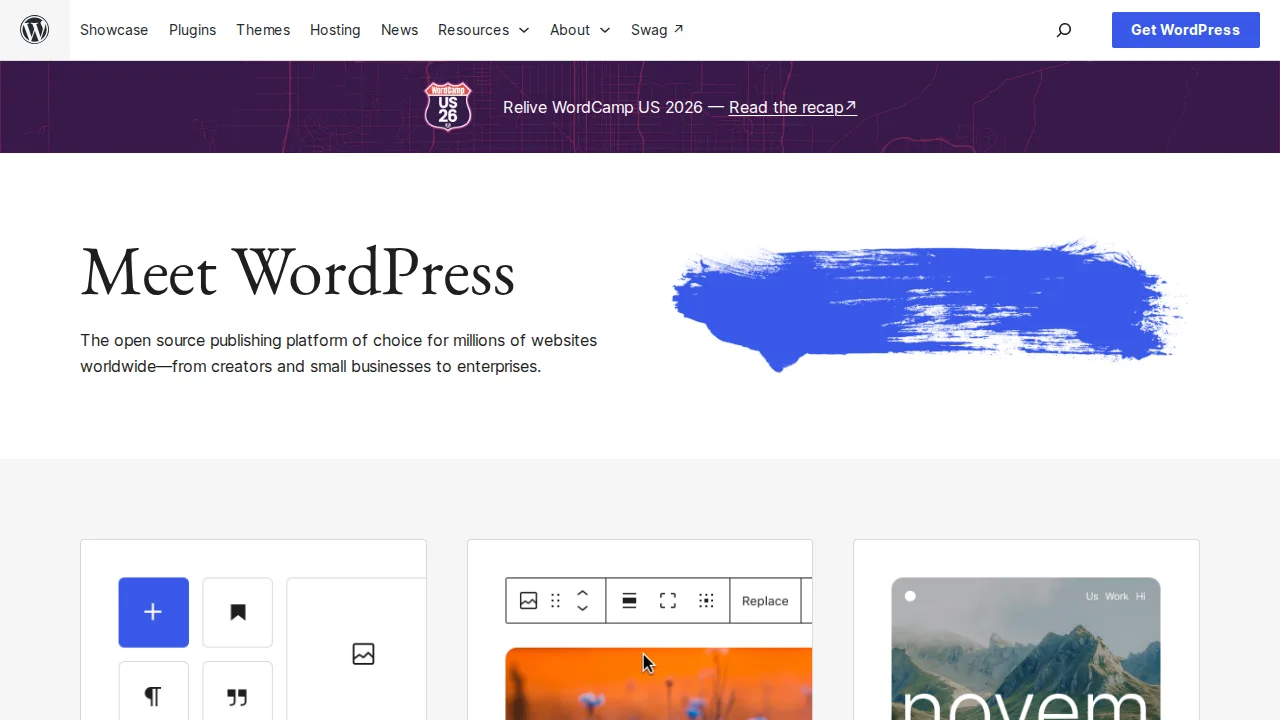
Ops note: Build a staging site with your theme and ten plugins, then run a security scan and PageSpeed test. Document who owns weekly updates.
Site: WordPress
Webflow CMS · CMS platforms
Ideal use: Marketing teams that want designers to build custom page templates and editors to publish CMS content without developers.
What works: Webflow CMS collections power blogs, case studies, and directories with custom fields and visual templates. Editors can update content without breaking designs.
What breaks the deal: Collection item limits and localization pricing make large content sites expensive.
Pricing: Entry: $23/mo. Hidden cost: CMS site plan annual; Workspace $19/seat separate. Verify: webflow.com/pricing.
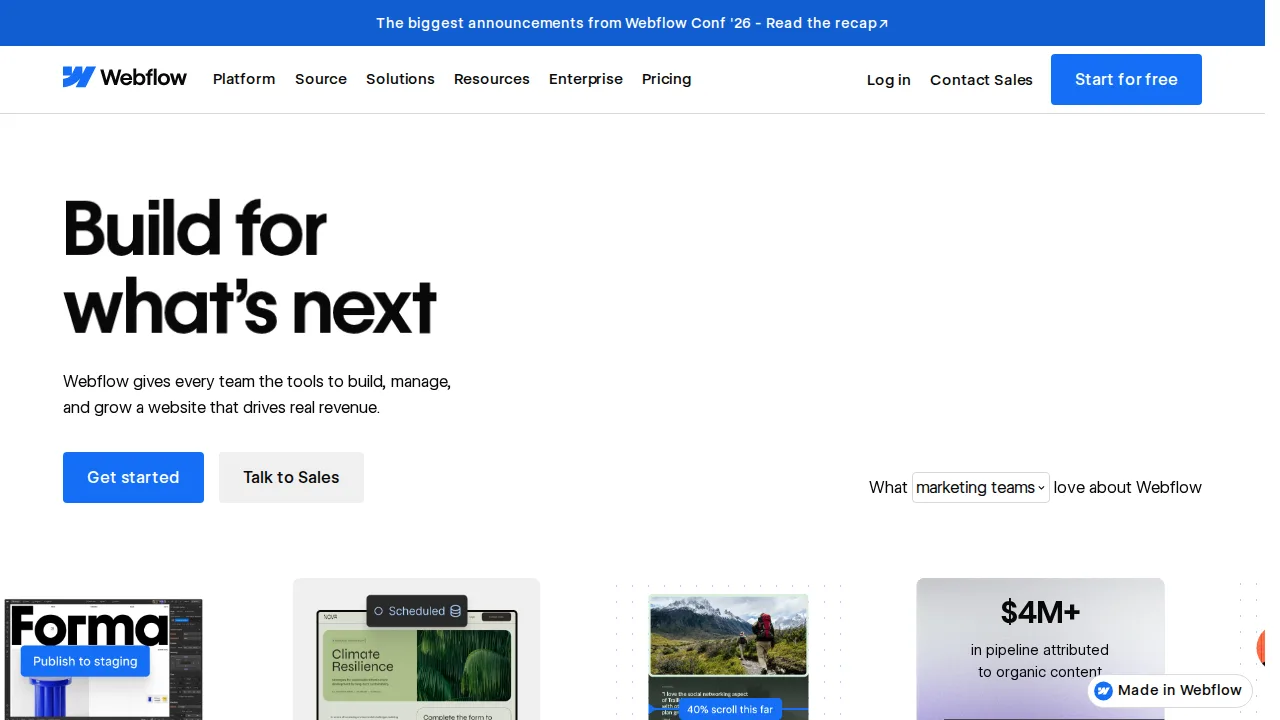
Ops note: Build a blog collection with ten posts and have an editor publish a new one. Check item limits on your plan.
Site: Webflow CMS
Ghost · CMS platforms
Ideal use: Independent publishers, newsletter writers, and media startups that want a fast publishing platform with paid memberships and email built in.
What works: Ghost combines blogging, newsletters, and paid memberships with zero platform fees on subscriptions through Stripe. It is open source and fast, with a clean writing editor.
What breaks the deal: Its theme and integration ecosystem is small compared with WordPress, so custom features often need a developer.
Pricing: Entry: $15/mo. Hidden cost: Starter annual on Ghost(Pro); self-host free software. Verify: ghost.org/pricing.
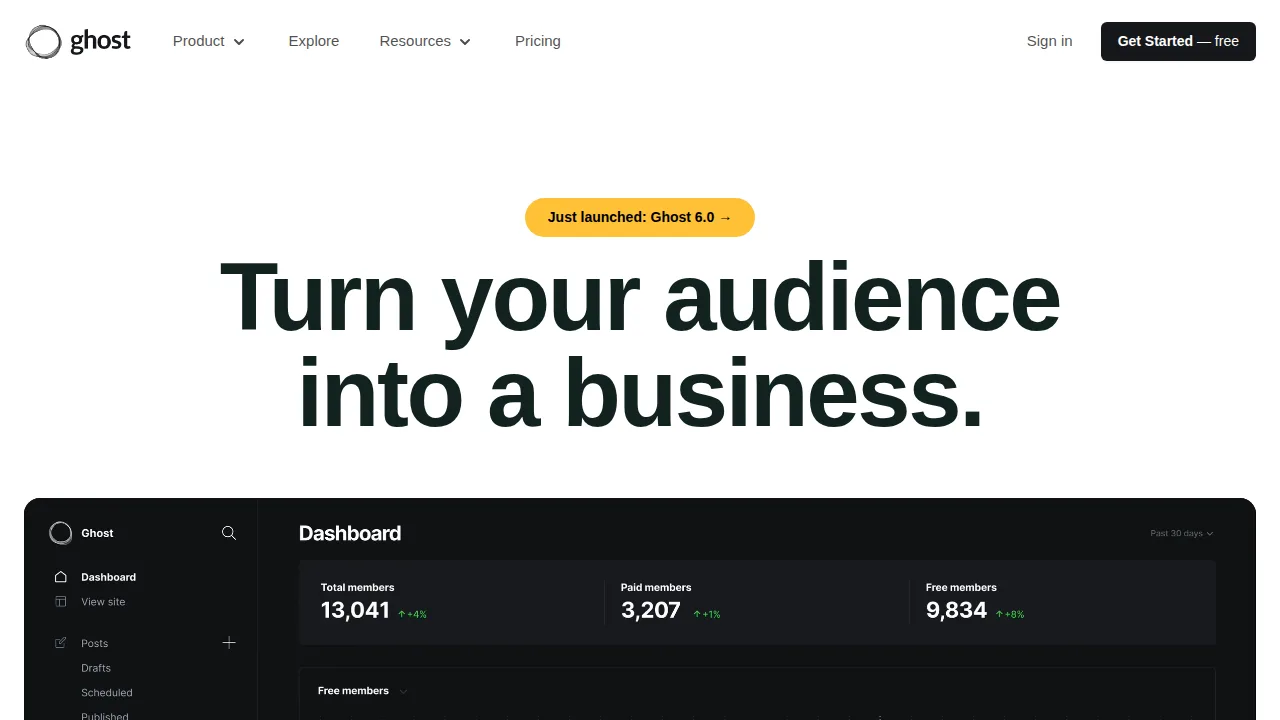
Ops note: Set up a Ghost site with a paid tier, publish a post as a newsletter, and take a test subscription. Check the email deliverability.
Site: Ghost
Contentful · CMS platforms
Ideal use: Enterprise digital teams delivering content to websites, apps, and kiosks from one headless CMS with strict governance and localization.
What works: Contentful's content models, environments, and roles let large teams structure content once and deliver it to any frontend through fast APIs. Its app framework and Studio visual editing reduce developer requests for marketers.
What breaks the deal: Pricing jumps sharply from the free tier to enterprise contracts, and record and locale limits catch growing teams off guard.
Pricing: Entry: $0/mo. Hidden cost: Free tier limits; Team $489/mo; API calls and locales capped. Verify: contentful.com/pricing.
Ops note: Model one content type with localized fields, publish it to a test Next.js site, and try a staged release in a second environment. Check record and locale limits for your content volume.
Site: Contentful
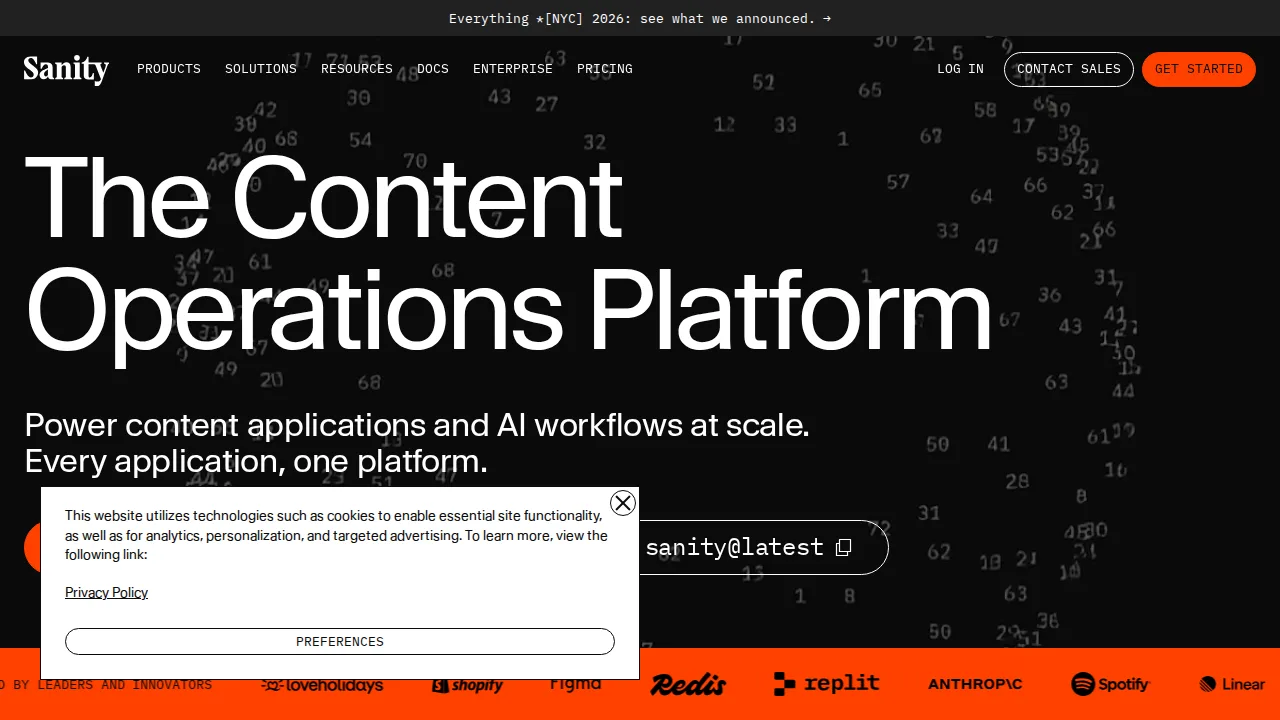
Sanity · CMS platforms
Ideal use: Developer-led teams that want a fully customizable headless CMS with real-time collaboration and a code-configured editing studio.
What works: Sanity Studio is configured in code, so developers can build custom inputs, previews, and workflows that match exactly how editors work. GROQ queries and real-time multiplayer editing make it fast to build content-rich apps.
What breaks the deal: Editors depend on developers to shape the Studio, so non-technical teams cannot set it up alone.
Pricing: Entry: $0/mo. Hidden cost: Free 3 users; Growth $15/user; API CDN usage billed. Verify: sanity.io/pricing.
Ops note: Scaffold a Studio with two document types and a live preview, then have an editor create content while a developer edits the schema. Check API request usage against free tier limits.
Site: Sanity
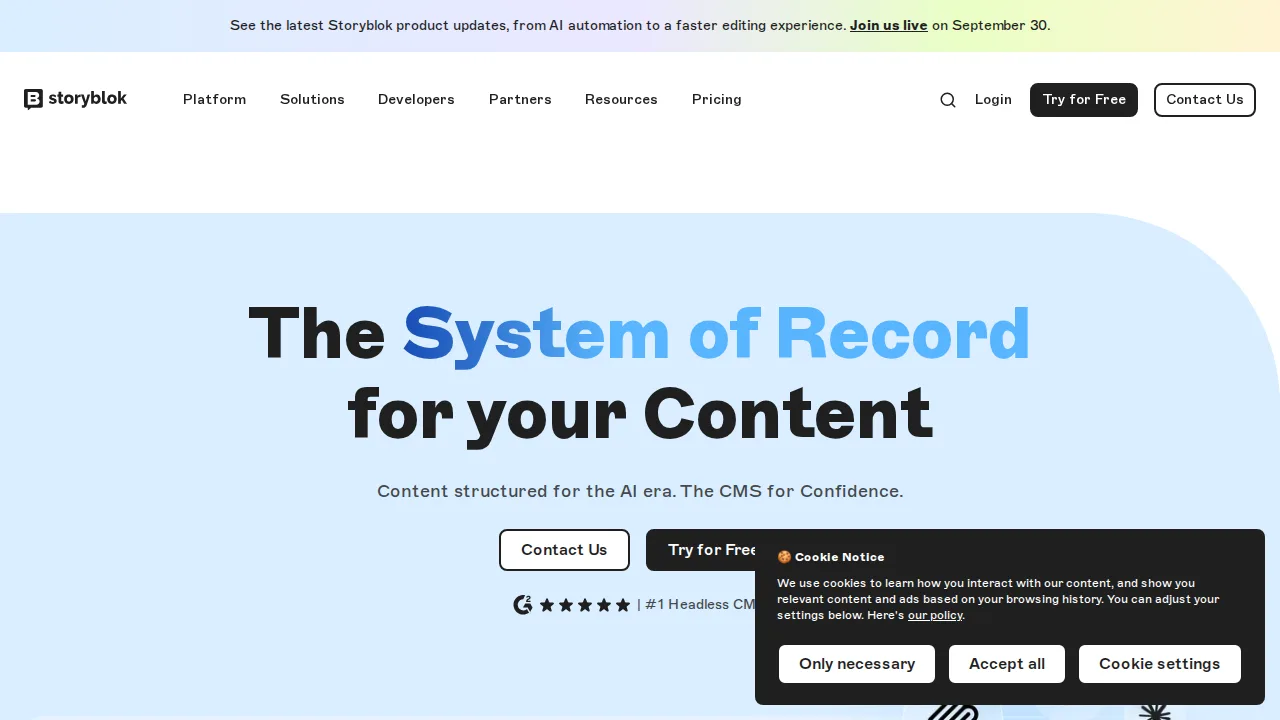
Storyblok · CMS platforms
Ideal use: Marketing and development teams that want headless architecture but need a visual page editor that marketers can use without developers.
What works: Storyblok's Visual Editor shows a live preview of the real frontend while editors build pages from reusable components. Localization, workflows, and releases are built in.
What breaks the deal: Component design takes upfront developer work, and pricing rises with seats and traffic.
Pricing: Entry: $0/mo. Hidden cost: Free 1 user; Entry $99/mo; traffic and locales extra. Verify: storyblok.com/pricing.
Ops note: Connect Storyblok to a Next.js or Nuxt starter, build three components, and have a marketer assemble a landing page. Check the price for your seat count.
Site: Storyblok
Drupal · CMS platforms
Ideal use: Government, universities, and large organizations that need a secure, open-source CMS with complex permissions, multilingual content, and custom data structures.
What works: Drupal's content types, taxonomies, and granular permissions handle large, complex sites, and its security team has a strong track record. Multilingual support is built into core.
What breaks the deal: Development and maintenance require specialized Drupal developers, and major version upgrades can be expensive.
Pricing: Entry: $0. Hidden cost: Open source; hosting, support, and Acquia/ Pantheon paid. Verify: drupal.org/download.
Ops note: Build a prototype with two content types, multilingual fields, and role-based permissions. Get an estimate for the next major version upgrade.
Site: Drupal
Summary table
| Name | Best for | Entry pricing | UX /10 |
|---|---|---|---|
| WordPress | Open-source CMS with the largest ecosystem | $0 | 8.2 |
| Webflow CMS | Designer-built CMS for marketing sites | $23/mo | 7.3 |
| Ghost | Publishing with paid memberships and newsletters | $15/mo | 7.9 |
| Contentful | Enterprise headless content across channels | $0/mo | 8.2 |
| Sanity | Code-configured headless CMS for developers | $0/mo | 7.3 |
| Storyblok | Headless CMS with a visual page editor | $0/mo | 7.7 |
| Drupal | Complex secure sites for governments and universities | $0 | 8.2 |
Quick verdict
WordPress remains the best choice for most businesses and publishers that want the largest ecosystem and full control. Contentful suits enterprise teams delivering structured content to many channels with strict governance. Independent publishers selling memberships and newsletters should use Ghost.
Have an actual editor build a real page or post in each trial, since editor frustration is the most common reason CMS projects fail. Check record, seat, and locale limits against your content plans for the next two years.
Free checks on Lagnis
Before you sign a cms platforms contract, run your numbers with strip html tags. Same browser session, no account.
Related comparisons
- Best CDN providers (2026): 7 tools compared
- Best Fleet management software (2026): 7 tools compared
- Best Managed database hosting (2026): 7 tools compared
FAQ
Why only 7 tools? We cut duplicate workflows; seven profiles stay readable.
Affiliate links fund hosting; listed flaws are from field testing patterns, not sponsor edits.
Pricing figures are list-tier snapshots; confirm checkout totals before you commit to annual billing.