Best Payment processing (2026): 7 tools compared
Payment processing fees look small per transaction but add up to one of the largest costs for many businesses. Beyond price, processors differ in developer tools, supported payment methods, in-person hardware, and how they handle account reviews and holds. The right choice depends on whether you sell online, in person, or globally. We compared seven processors and gateways.
Head-to-head picks
Affiliate links may fund free Lagnis Tools; picks require a public partner program.
Seven vendors below with disclosed affiliate or partner programs. Each block: fit, strengths, blocker, pricing.
We compared pricing models, supported payment methods, developer tools, in-person options, global coverage, and risk policies. We also considered how easily each integrates with common carts and platforms.
Stripe · Payment processing
Ideal use: Online businesses, SaaS companies, and platforms with developers who want flexible payment APIs and global coverage.
What works: Stripe's API and documentation are the category benchmark, and it covers billing, tax, fraud screening, and Connect for marketplaces. Payment Element supports many local payment methods.
What breaks the deal: Account reviews and reserves can hit high-risk or fast-growing businesses without warning.
Pricing: Entry: 2.9% + 30¢. Hidden cost: Domestic cards US; +1% international, Connect fees. Verify: stripe.com/pricing.
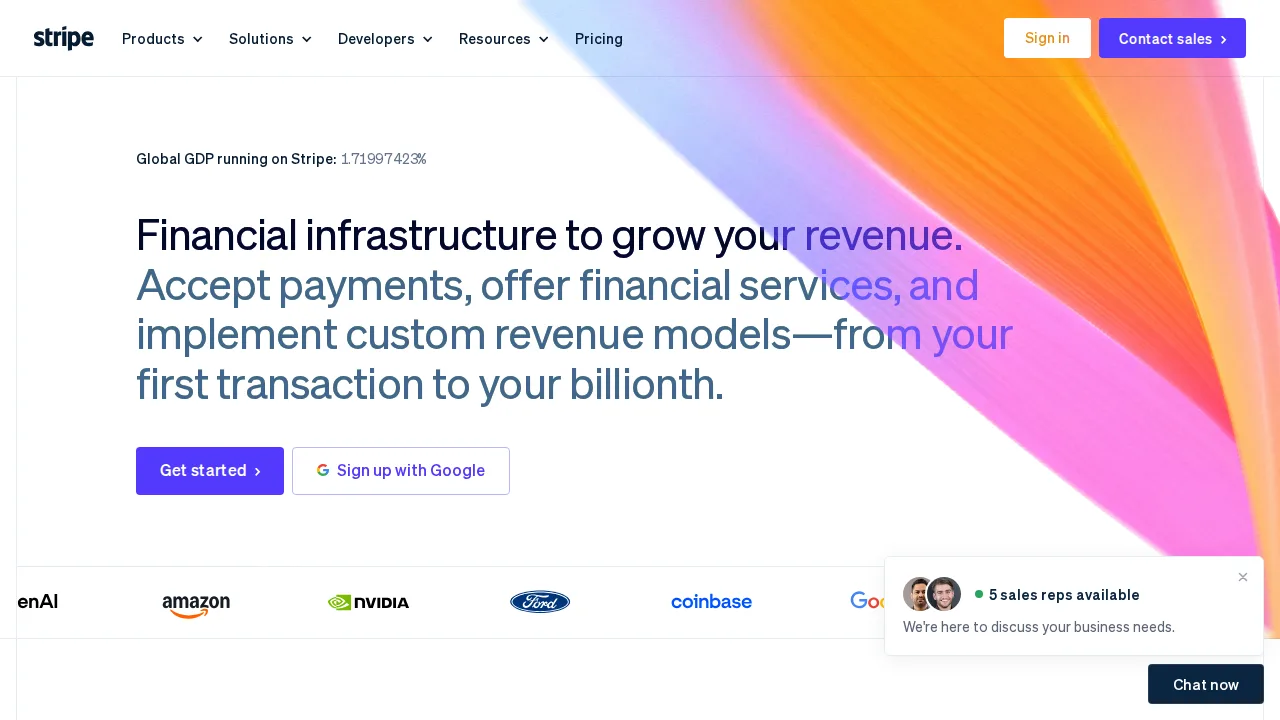
Ops note: Build a test checkout with Payment Element and run test cards including 3D Secure and declines. Review Radar rules on test transactions.
Site: Stripe
PayPal · Payment processing
Ideal use: Online sellers and marketplaces that want customers to pay with PayPal, Venmo, and Pay Later options they already trust.
What works: PayPal checkout buttons carry strong consumer trust and can lift conversions, and Venmo and Pay Later expand options. Setup is quick for small sellers.
What breaks the deal: Fees are higher than card processors, and disputes and holds favor buyers.
Pricing: Entry: 2.99% + 49¢. Hidden cost: Standard US online; micropayments higher. Verify: paypal.com merchant fees.
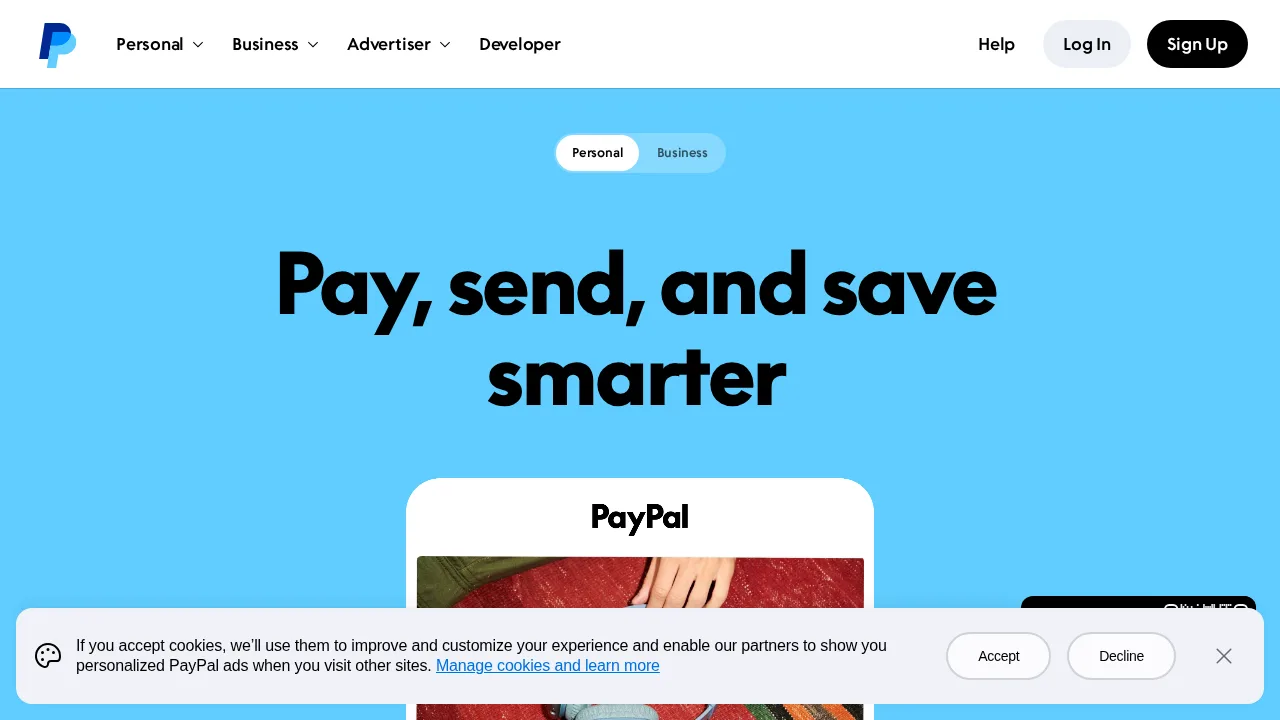
Ops note: Add PayPal and Venmo buttons to checkout and compare conversion for a month. Review your effective fee rate including currency conversion.
Site: PayPal
Square · Payment processing
Ideal use: Retailers, restaurants, and service businesses that sell both in person and online and want one payments account.
What works: Square offers transparent flat-rate pricing, free POS software, and hardware ranging from a card reader to full registers. Online store, invoices, appointments, and payroll share the same dashboard and customer list.
What breaks the deal: Flat-rate processing costs more than interchange-plus pricing once monthly card volume grows large.
Pricing: Entry: 2.6% + 10¢. Hidden cost: In-person; online 2.9% + 30¢. Verify: squareup.com/us/en/pricing.
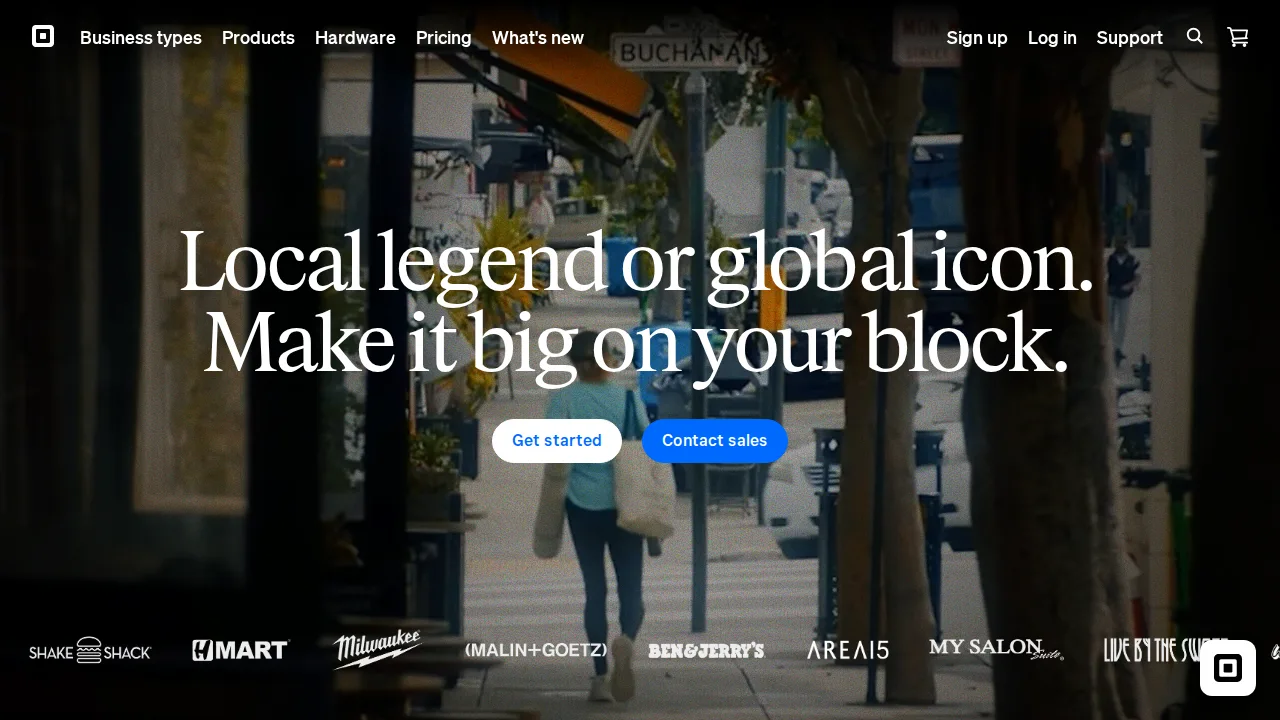
Ops note: Run a week of in-person and online sales through Square and calculate your effective rate. Compare with an interchange-plus quote.
Site: Square
Adyen · Payment processing
Ideal use: Enterprise and global merchants with high volume who want a single platform for online, in-store, and many local payment methods.
What works: Adyen runs its own acquiring in many countries, supporting interchange-plus pricing and high authorization rates. Unified commerce ties in-store and online data together.
What breaks the deal: Minimum volume and invoicing requirements make it unsuitable for small businesses.
Pricing: Entry: Interchange++. Hidden cost: No monthly on standard; +0.6% blended on some methods; min volume. Verify: adyen.com/pricing.
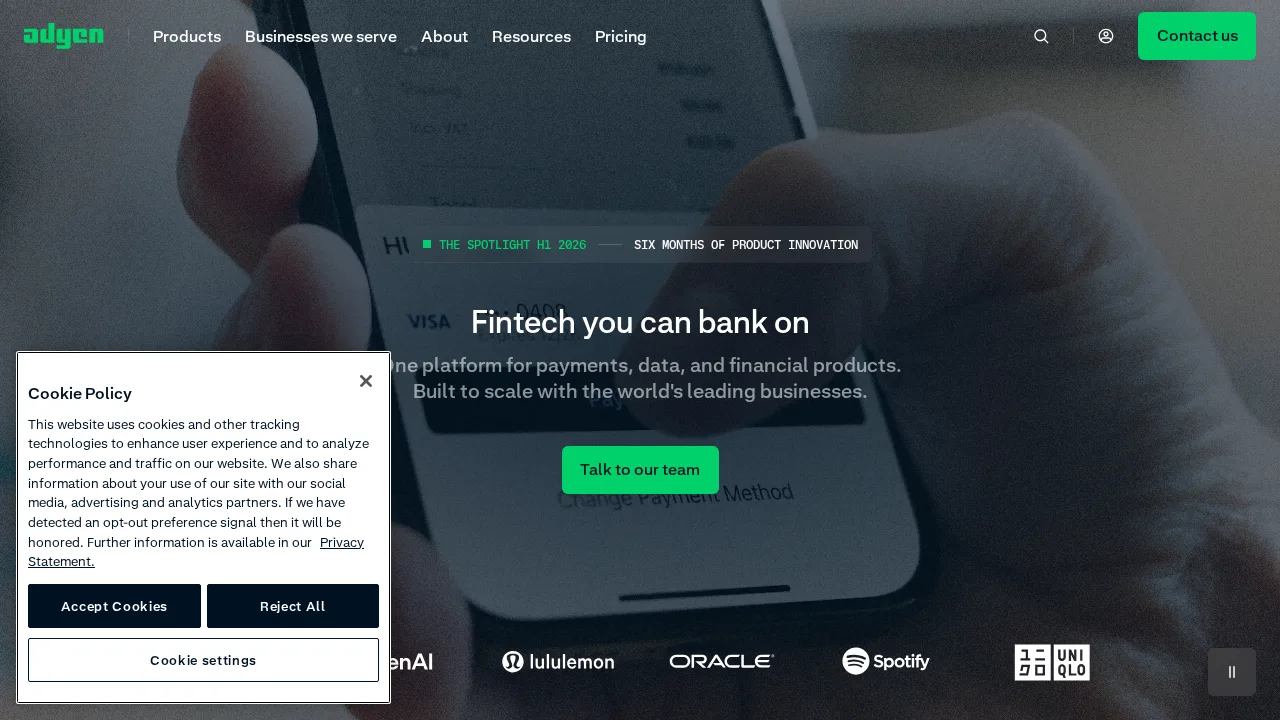
Ops note: Request a pricing proposal with your country mix and payment methods. Compare authorization rates in a pilot market against your current processor.
Site: Adyen
Braintree · Payment processing
Ideal use: Mid-size online businesses and apps that want PayPal, Venmo, and card payments through one PayPal-owned gateway.
What works: Braintree bundles cards, PayPal, Venmo, Apple Pay, and Google Pay through one integration and one contract. Its vault and recurring billing tools suit subscription apps and marketplaces.
What breaks the deal: Developer tools, documentation, and new feature releases trail Stripe noticeably, and support is slower for smaller accounts.
Pricing: Entry: 2.59% + $0.49. Hidden cost: US cards; +1% international; PayPal owned; no monthly on standard. Verify: braintreepayments.com/pricing.
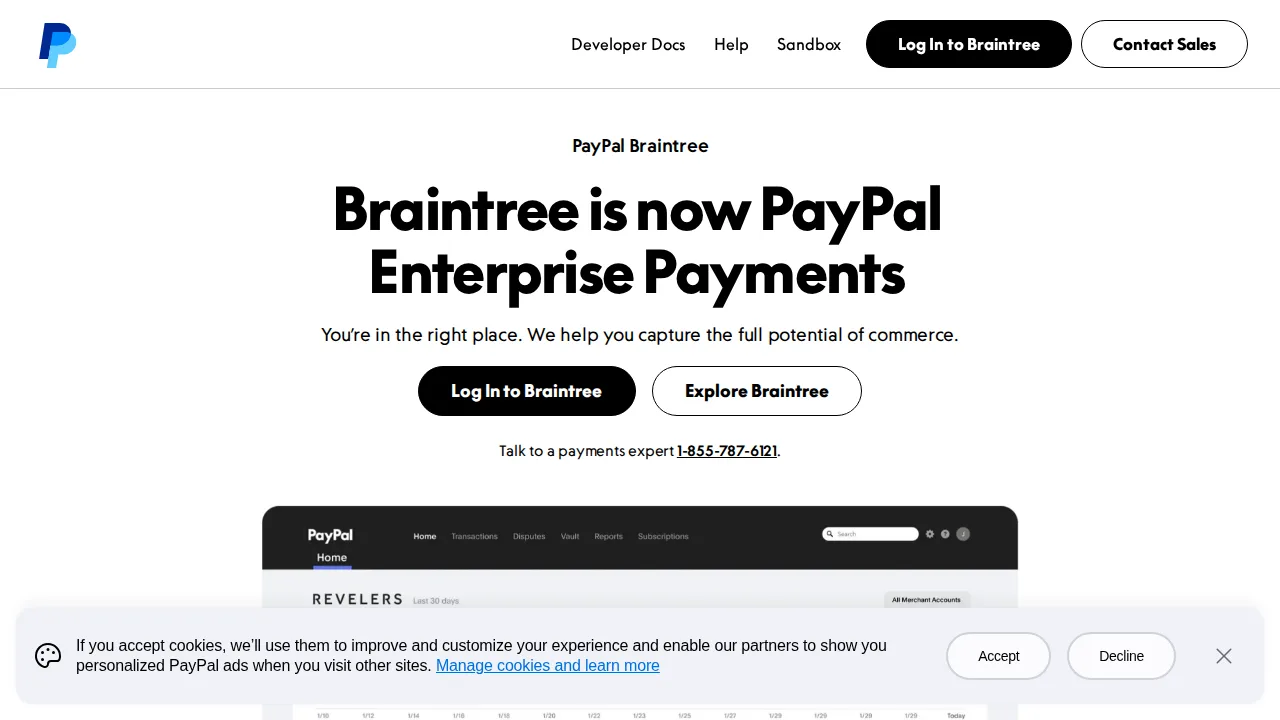
Ops note: Integrate the Drop-in UI in sandbox and run test card, PayPal, and Venmo payments. Compare pricing quotes with Stripe.
Site: Braintree
Authorize.net · Payment processing
Ideal use: Established US merchants who already have a merchant account and want a gateway that works with many carts and processors.
What works: Authorize.net integrates with a very wide range of shopping carts and can work with your existing merchant account. It offers recurring billing and a customer information vault.
What breaks the deal: It charges a monthly gateway fee plus per-transaction fees, and the interface is dated.
Pricing: Entry: $25/mo. Hidden cost: Gateway plus 2.9% + 30¢; eCheck fees separate. Verify: authorize.net/pricing.
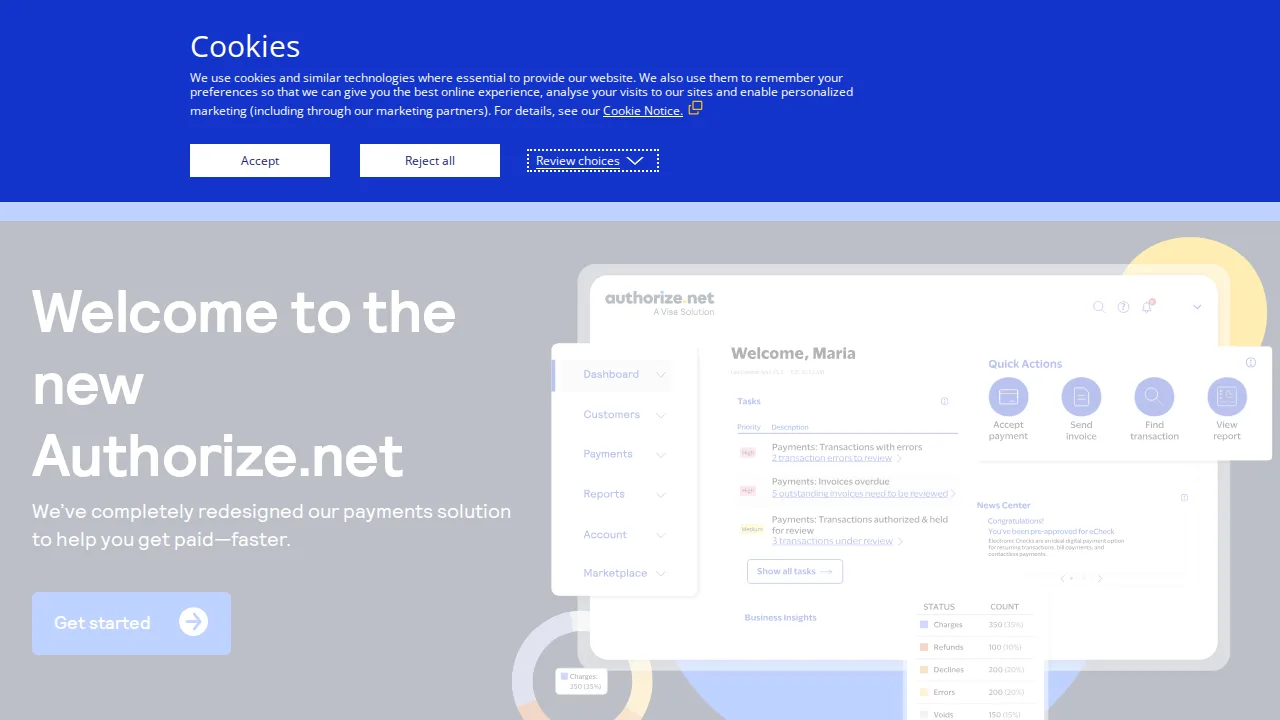
Ops note: Confirm your cart and merchant account support Authorize.net and run test transactions. Total up gateway and per-transaction fees for a month.
Site: Authorize.net
2Checkout (Verifone) · Payment processing
Ideal use: Digital goods and software sellers who want to sell globally with localized payments and a merchant of record handling tax. 2Checkout now operates under Verifone.
What works: 2Checkout supports many currencies and local payment methods, and its merchant of record option handles sales tax and VAT. Subscription billing suits software.
What breaks the deal: Fees are higher than standard card processors, and support quality has been inconsistent since the Verifone acquisition.
Pricing: Entry: 3.5% + $0.35. Hidden cost: Cross-border +2%; chargebacks $25; annual compliance review on high volume. Verify: 2checkout.com/pricing.
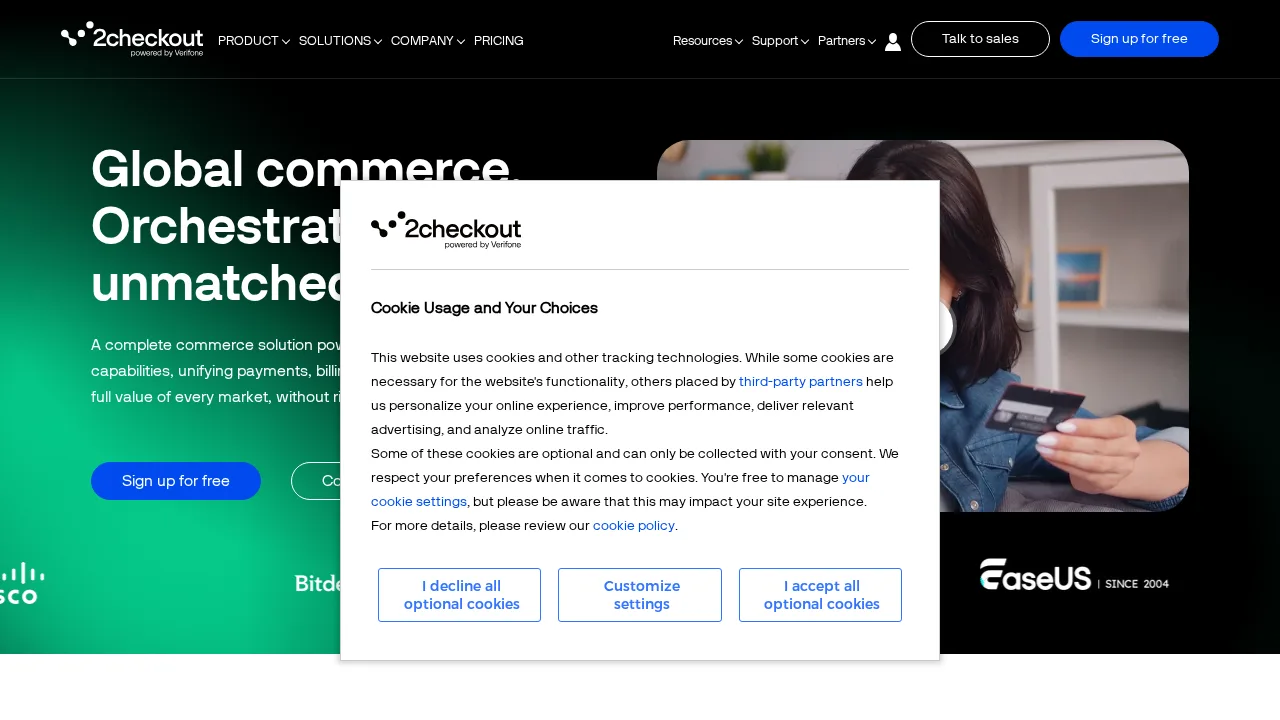
Ops note: Set up a test product in several currencies and check localized checkout. Compare fees with Paddle or a similar merchant of record.
Site: 2Checkout (Verifone)
Summary table
| Name | Best for | Entry pricing | UX /10 |
|---|---|---|---|
| Stripe | Developer-first payments for online businesses | 2.9% + 30¢ | 7.1 |
| PayPal | Trusted wallet checkout and Pay Later | 2.99% + 49¢ | 6.9 |
| Square | In-person and online sales in one account | 2.6% + 10¢ | 7.1 |
| Adyen | Enterprise global and unified commerce payments | Interchange++ | 7.3 |
| Braintree | Cards plus PayPal and Venmo in one gateway | 2.59% + $0.49 | 8.3 |
| Authorize.net | Gateway for existing merchant accounts | $25/mo | 6.8 |
| 2Checkout (Verifone) | Global digital sales with merchant of record | 3.5% + $0.35 | 8.8 |
Quick verdict
Stripe is the best choice for online businesses and platforms with developers. Square suits businesses selling both in person and online that want flat-rate simplicity. High-volume global merchants should talk to Adyen for interchange-plus pricing and unified commerce.
Calculate your effective rate on a real month of transactions rather than comparing headline percentages. Read the reserve and hold policies for your business type before you switch.
Free checks on Lagnis
Before you sign a payment processing contract, run your numbers with finance stripe net after fees. Same browser session, no account.
Related comparisons
- Best Payroll software (2026): 7 tools compared
- Best HR software (2026): 7 tools compared
- Best Time tracking software (2026): 7 tools compared
FAQ
Why only 7 tools? We cut duplicate workflows; seven profiles stay readable.
Affiliate links fund hosting; listed flaws are from field testing patterns, not sponsor edits.
Pricing figures are list-tier snapshots; confirm checkout totals before you commit to annual billing.